35 years, thousands of stories, and one university that brings us together!
On 1 October 2026, we celebrated the 35th anniversary of Jan Evangelista Purkyně University in Ústí nad Labem (UJEP) – and what a celebration it was!
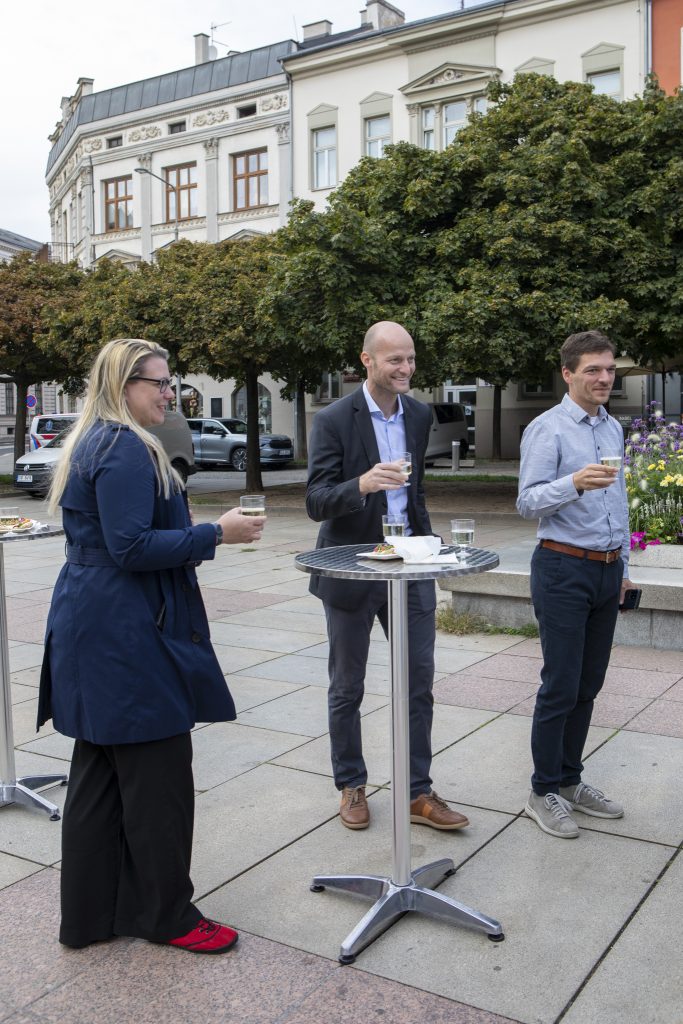
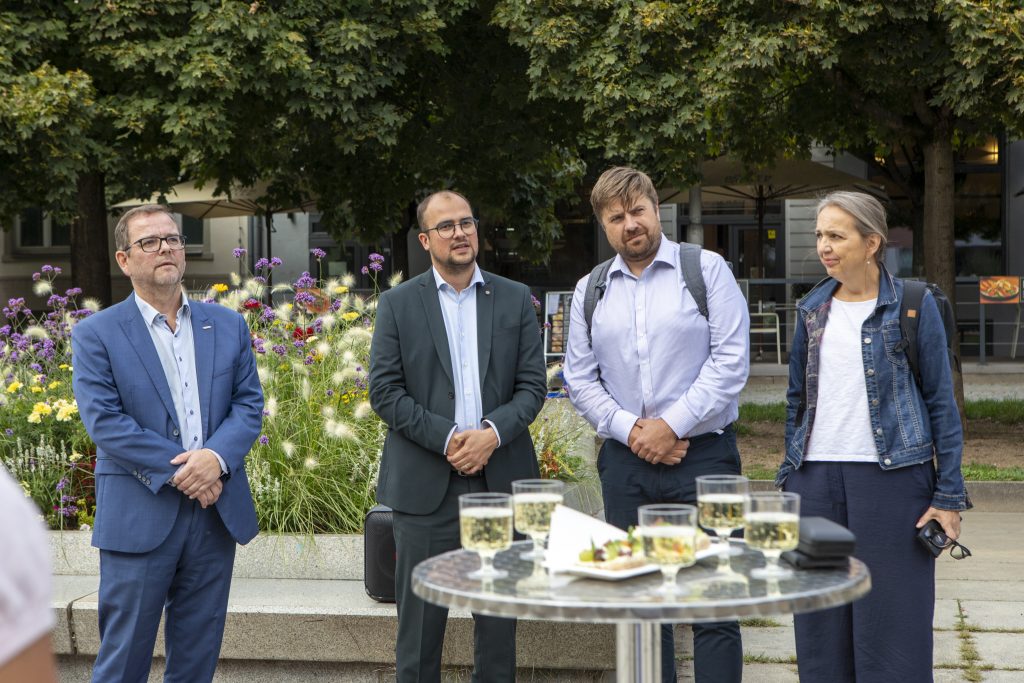
For one afternoon and evening, our campus turned into a vibrant space filled with live music, reunions, shared memories, and new experiences. Most importantly, it brought together the people who make UJEP what it is: our students, alumni, staff, partners, friends, and the wider community.
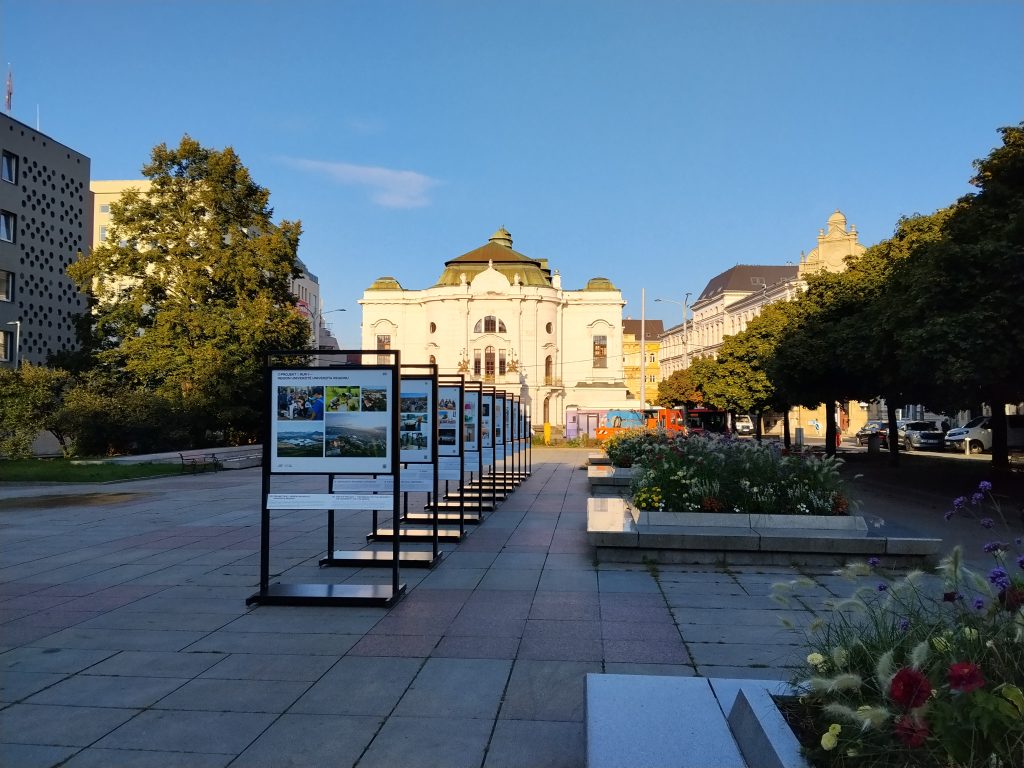
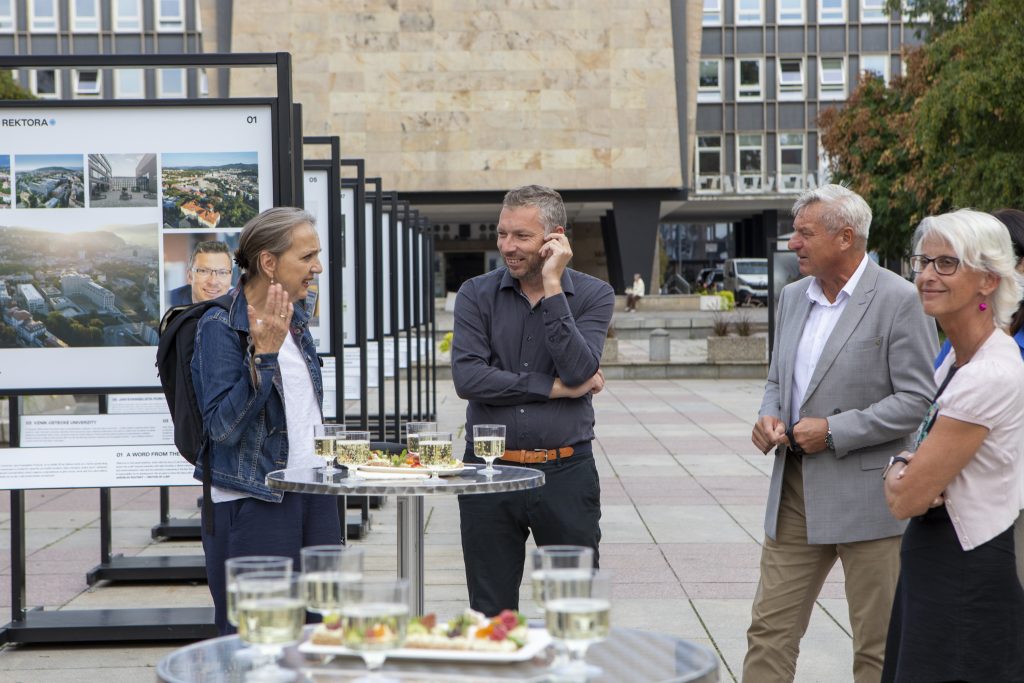
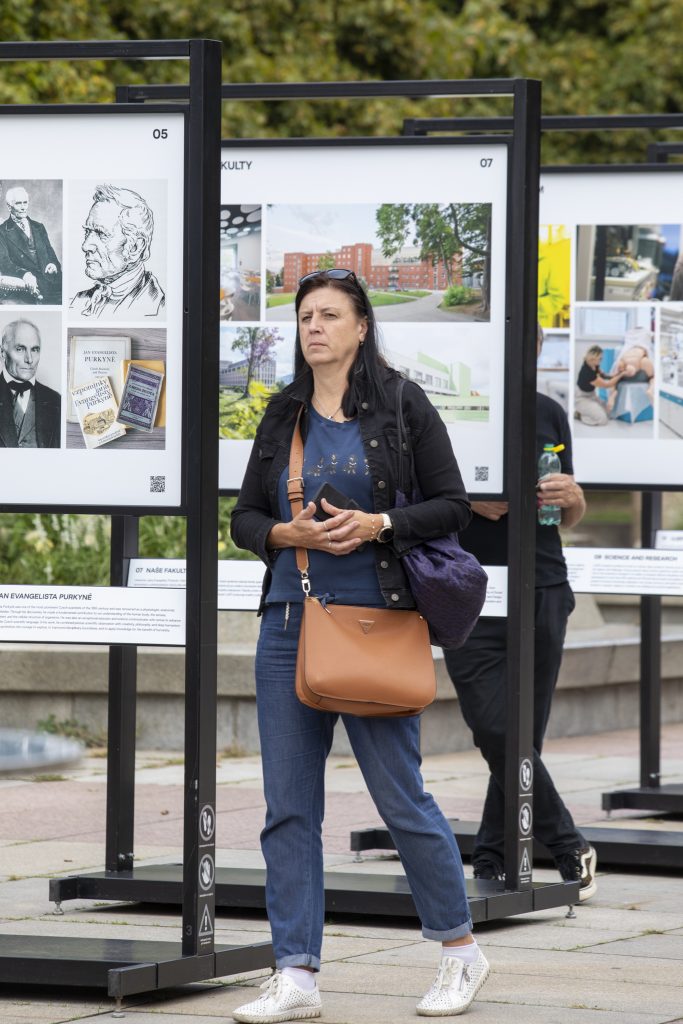
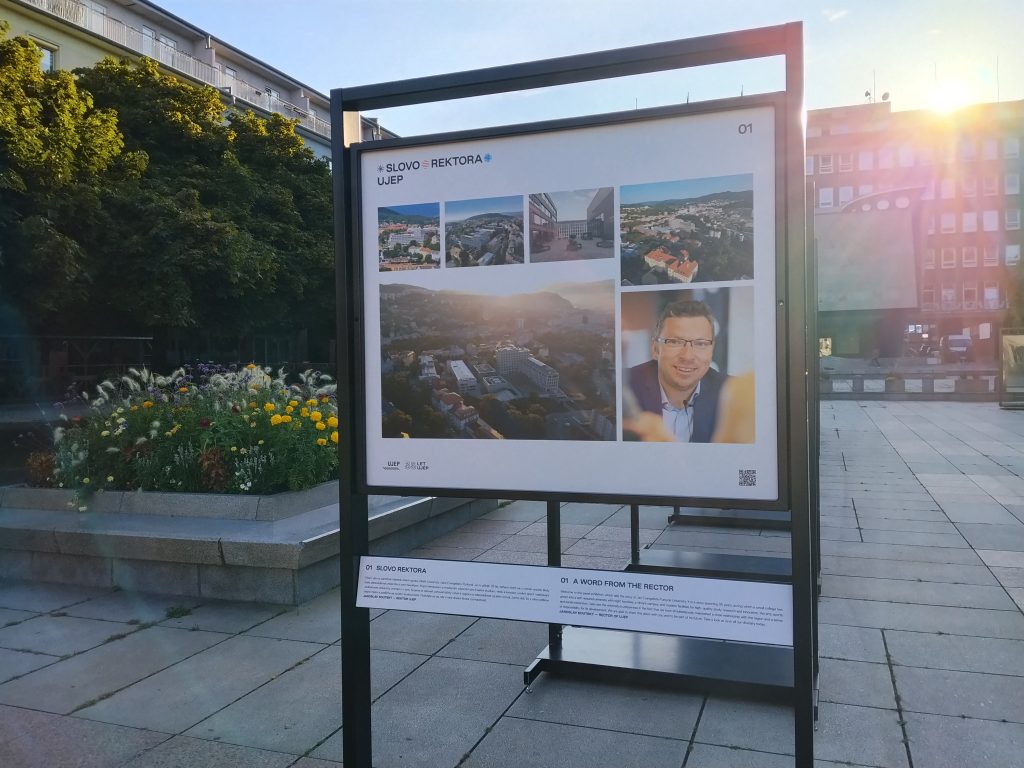
Yet, the concert was only one highlight in a series of anniversary events, including an outdoor exhibition prepared in cooperation with the Czech News Agency, tracing UJEP’s key milestones and its transformation into a modern university of education and research.
An outdoor exhibition, through its twenty exhibition panels, allowed visitors to explore the history of higher education in Ústí nad Labem, the establishment of UJEP, and its transformation into the modern university it is today. The exhibition highlights key milestones, campus development, science and research, art, sports, student life, and the university’s ties to the region. The exhbition was displayed in the city centre in September, before moving to the university campus for another month.
During the year, we also paid tribute to Jan Evangelista Purkyně, the remarkable Czech scientist whose pioneering discoveries shaped modern physiology, biology, and medicine – and whose legacy continues to inspire us. His discoveries profoundly influenced modern biology, medicine, and physiology. His research focused primarily on the human body and the senses. Among his achievements, he described the Purkinje effect, which explains changes in colour perception under low-light conditions, and discovered specialised cells in the brain (Purkinje cells) and conducting fibres in the heart (Purkinje fibres), which are essential for proper cardiac function. He also studied the structure of the eye and inner ear, contributed to the development of fingerprint identification (dactyloscopy), and significantly advanced the use of microscopy in scientific research. His work extended to the fields of speech, pharmacology, and sensory perception. Purkyně thus laid the foundations for numerous disciplines that underpin modern medicine and the natural sciences. His legacy continues to remind us not only of his remarkable scientific contributions but also of the importance of curiosity, interdisciplinary thinking, and the courage to explore new connections.
A big thank you to everyone who celebrated with us and to all those who have been part of UJEP’s journey over the past 35 years.